Comfort is the strategy: Why rail’s edge lies in personal space
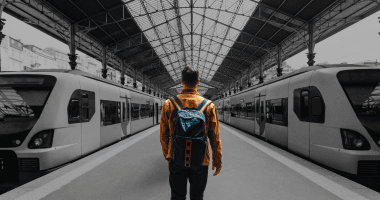
In rail, comfort isn’t a luxury. It’s the expectation.
Travelers choose trains for a reason. They’re opting for a calmer journey, more room to move, and less friction from start to finish. According to Plusgrade’s Hospitality & Rail Study, 80% of passengers say train travel is less stressful than flying, and 78% find it more spacious and comfortable.
That preference for personal space is what sets rail apart. And it’s exactly where rail’s next ancillary growth will come from.
Comfort is the product
Rail passengers aren’t looking for flashy perks. They’re looking for peace: space to work, relax, or simply breathe. And the longer the journey, the more that space matters.
Our study shows that 54% of travelers are interested in space-focused upgrades overall¹. That demand increases on longer journeys, with 52% of passengers on trips over six hours, prioritizing extra legroom, premium cabins, and quieter coaches².
The opportunity here is clear. Rail operators already have the inventory—more spacious seats, quieter cars, premium cabins. In many cases, that value exists today but is bundled, unpriced, or underutilized. With the right upgrade strategy, comfort becomes something passengers don’t just appreciate—it becomes something they’re willing to pay for, and increasingly, expect to be offered.
Make it flexible. Make it personal.
The next question isn’t whether passengers will pay for comfort. It’s how they want to pay for it.
Younger travelers, especially Gen Z and Millennials, are reshaping loyalty expectations. They don’t just want to earn points for some future reward. They want to use them easily, often, and in ways that improve the journey they’re already on.
Among travelers aged 18–34:
- 76% are interested in using a mix of points and cash to pay for train tickets³
- 71% are open to paying entirely with points⁴
That’s nearly double the interest shown by travelers over 65. For younger generations, flexibility isn’t a perk; it's the baseline.
For rail, where repeat journeys, longer dwell time, and habitual travel are common, this shift matters. Enabling points-based and mixed-payment upgrades for premium seating allows operators to:
- Drive incremental revenue without discounting
- Deepen loyalty program engagement and redemption velocity
- Give passengers greater control over how they experience each journey
Where value and experience meet
When you connect what travelers want (comfort), when they want it most (on longer journeys), and how they want to pay (flexibly, including with points), the strategy becomes simple:
- Offer premium seating and space-focused comfort as clear upgrade options
- Let passengers choose how to pay, including loyalty points
- Time offers to appear when they’re most relevant—after booking, before departure, or when a journey upgrade feels helpful, not transactional
Rail shouldn’t copy other modes of transport. It should monetize what already makes it better.
Space, ease, and personalization are rail’s natural strengths. The opportunity now is to package those strengths into upgrade products passengers can act on—at the right moment, in the right way.
And the data is clear: they’re ready.
Want to talk about building your premium upgrade strategy? Let’s connect.
Source: 1-4: Plusgrade Hospitality & Rail Study, 2024